RO vs UV Installation: Which Water Purification System Is Right for You?

RO vs UV Installation: Which Water Purification System Is Right for You?

RO vs UV Water Purifier Installation in PCMC

Choosing the right water purifier is essential for maintaining access to clean and safe drinking water at home or in the workplace.

SR Enterprises provides professional water purifier installation services to help customers choose and install suitable purification systems. Whether you need an RO purifier or a UV water purifier, proper installation and system testing are important for reliable performance.

What Is an RO Water Purifier?

A Reverse Osmosis (RO) water purifier uses a semipermeable membrane to reduce dissolved salts and various impurities in water. RO systems are often suitable for water sources with high total dissolved solids (TDS), including certain borewell and mixed water supplies.

An RO purifier typically uses multiple filtration stages, which may include sediment filters, carbon filters, and an RO membrane. Some models also include UV purification or other additional technologies.

Professional RO installation services PCMC help ensure that the purifier is connected correctly to the water supply, drainage system, and electrical connection where required. Proper installation also includes checking for leakage and testing the system's operation.

What Is a UV Water Purifier?

A UV water purifier uses ultraviolet light to inactivate many harmful microorganisms, including bacteria and viruses, under suitable operating conditions. Unlike RO technology, UV purification does not remove dissolved salts from water.

UV systems are generally considered when the source water has acceptable chemical quality and TDS but requires microbiological treatment. Water quality testing is important before selecting a UV-only purifier.

Professional UV water purifier installation PCMC can help ensure that the UV unit is installed correctly and its components are functioning as intended.

RO vs UV: What Is the Difference?

The main difference between RO and UV purification is how each technology treats water.

RO purification: Reduces dissolved salts and various impurities through membrane filtration.

UV purification: Inactivates susceptible microorganisms using ultraviolet light.

Water quality: RO may be appropriate for high-TDS water, while UV-only systems may suit water with acceptable TDS and chemical quality.

Water wastage: RO systems typically reject some water during purification, whereas UV systems generally do not produce RO-style reject water.

Combined purification: Some water sources may require both technologies, depending on test results and the specific contaminants present.

Neither technology is automatically best for every household. The correct choice depends on the source of water and the contaminants that need to be addressed.

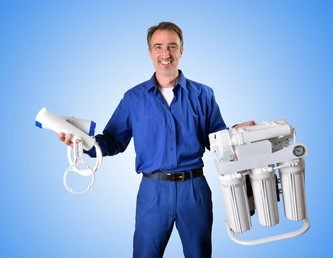
How to Choose the Right Water Purifier

Before purchasing a purifier, consider the following factors:

1. Test Your Water Quality
Check the water source and arrange appropriate water testing. TDS is one useful measurement, but it does not identify every contaminant. Microbiological and chemical testing may also be necessary.

2. Understand Your Household Needs
Consider the number of people in your home, daily water consumption, available installation space, and maintenance requirements.

3. Select the Appropriate Technology
Choose RO, UV, or a combined purification system according to the water test results and the manufacturer's specifications. A combined RO and UV system may be appropriate when both dissolved contaminants and microorganisms need treatment.

4. Choose Professional Installation
Correct installation supports reliable operation and helps prevent leakage, drainage issues, and connection problems.

Professional Water Purifier Installation in PCMC

SR Enterprises provides Water purifier installation PCMC for customers looking to install a new water purification system. Professional installation includes checking the water inlet, making appropriate plumbing connections, arranging drainage where required, and testing the purifier after setup.

Customers purchasing Aquaguard systems can enquire about Aquaguard installation services PCMC for suitable installation support. Similarly, those choosing Kent systems can explore Kent RO installation PCMC to ensure their purifier is installed according to the manufacturer's requirements.

After installation, regular servicing and timely replacement of filters or other components are important for maintaining purification performance.

Why Choose SR Enterprises?

SR Enterprises helps customers with water purifier installation and related servicing requirements. By considering the water source, purification technology, and household needs, customers can make a more informed decision about their drinking water system.

Whether you require RO installation services PCMC or UV water purifier installation PCMC, selecting the appropriate technology and ensuring correct installation are important steps towards dependable water purification.

Conclusion

RO and UV water purifiers serve different purposes. RO systems help reduce dissolved salts and various impurities, while UV systems target microorganisms. The right choice depends on your water quality, specific contamination risks, and daily requirements.

Before purchasing a purifier, get your water tested and consult a qualified service professional. Contact SR Enterprises for water purifier installation support and choose a suitable purification solution for your home or workplace.